How Plastic Film Squeezer Machines for Drying Revolutionize Plastic Film Recycling
Recycling plastic film has long been one of the trickiest challenges in the waste-recycling world. Unlike rigid plastics, film materials—think PE and PP packaging, agricultural films, daily-use bags—tend to be thin, light, stretchy, and incredibly good at retaining moisture. For recyclers, that moisture content is more than just a nuisance; it slows down processing, increases energy consumption, reduces pellet quality, and ultimately drives up the cost per ton.
But over the past few years, a quiet revolution has been taking place inside recycling plants. And it comes from a surprisingly compact but powerful piece of equipment: the Audop Plastic Film Squeezer machine for drying.
Let’s explore how this machine is reshaping the future of film recycling—and why more recyclers are upgrading to modern, high-efficiency squeezing systems.
Why Moisture Is the Biggest Enemy of Film Recycling
Plastic films tend to absorb and trap water during washing. Traditional drying solutions—such as hot air dryers or centrifugal systems—can remove some moisture, but not nearly enough to satisfy downstream extrusion requirements. High moisture means:
Pellets come out inconsistent and unstable
Extruders burn more energy and run at lower speeds
Pellets may contain bubbles, black spots, or dimensional defects
Transportation and storage become costlier
Overall recycling efficiency drops significantly
Recyclers needed a smarter way to reduce moisture quickly, consistently, and at scale. Enter the film squeezer machine.
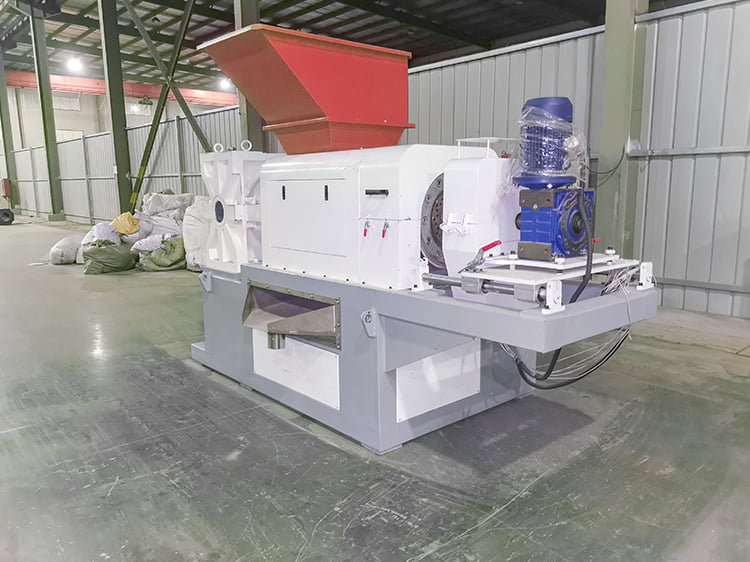
How a Plastic Film Squeezer Machine Works Its Magic
Think of the squeezer as a high-pressure, ultra-efficient wringer designed specifically for soft plastics. Instead of evaporating moisture with heat, it physically forces water out.
Here’s the simplified process:
Washed films enter the squeezer in wet, fluffy form
A powerful screw compresses the materials under strong mechanical pressure
Water is squeezed out through strategically placed drainage holes
Films exit as compact, semi-dry, high-density flakes
The result? Moisture content can drop to 3–5%, sometimes even lower—an enormous improvement over conventional dryers.
For real-world equipment examples, you can explore the Audop Plastic Film Squeezer machine for drying, a model known for stable output, energy savings, and strong structural design.
Why This Technology Is Revolutionizing Film Recycling
1. Up to 70% Lower Energy Consumption
Traditional thermal dryers devour electricity. A squeezer, on the other hand, uses mechanical force rather than heat. This shift alone dramatically reduces operational costs.
2. More Uniform Moisture Content
Consistency is critical in extrusion. The squeezer delivers evenly dried materials that streamline the extrusion process and boost overall production capacity.
3. Transportation Becomes Cheaper
Squeezed films have a much higher bulk density, meaning fewer truckloads and lower logistics costs.
4. Better Pellet Quality
Low moisture equals fewer defects, clearer colors, stronger pellet structure, and improved resale value.
5. Cleaner, More Efficient Recycling Lines
A well-designed squeezer integrates seamlessly into existing PE/PP film washing lines, delivering a smoother and more automated workflow.
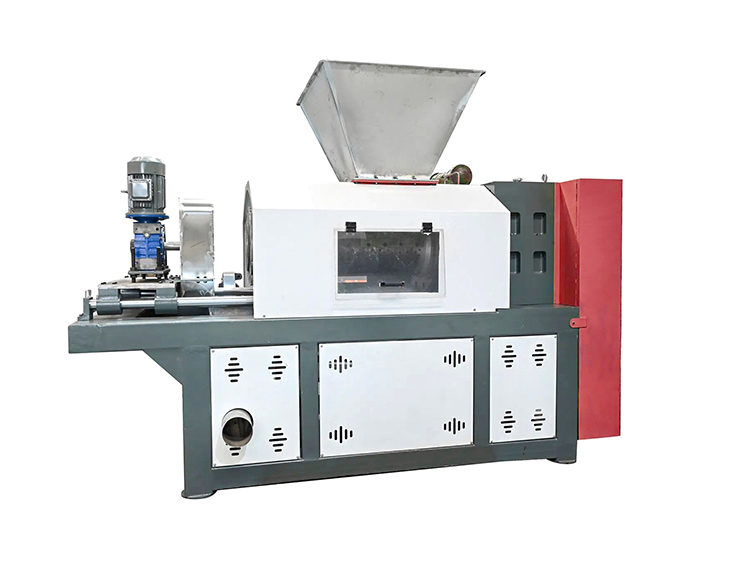
What Makes a High-Quality Squeezer Stand Out?
Not all squeezers are built the same. The top-performing models often feature:
Heavy-duty screw design for high-pressure compression
Optimized drainage channels
Automatic control and safety protection
Thickened structural parts for long-term durability
High throughput suitable for industrial-scale recycling
Industrial users frequently turn to solutions like the Audop Plastic Film Squeezer machine for drying because of its efficiency, stable performance, and compatibility with mainstream recycling lines.
The Bottom Line: A Game-Changer for the Circular Economy
As global demand for recycled plastics continues to rise, film recycling must become more efficient, more reliable, and more cost-effective. Plastic film squeezer machines are a key enabler of that shift. By drastically reducing moisture without burning excessive energy, they’ve transformed one of the most stubborn bottlenecks in the recycling process.
Whether you're upgrading an existing washing line or building a new one from scratch, integrating a modern film squeezer isn’t just an improvement—it's a strategic move that pays off in throughput, quality, and sustainability.